

.avif)

.avif)
When navigating Tamriel starts feeling like muscle memory instead of discovery, it’s probably time to test a few games like Elder Scrolls that bring that first‑step magic back. These 6 still deliver reactive worlds, meaningful builds, and enough mystery to keep late‑night sessions interesting.
6 best games like Elder Scrolls: At a glance
Note: Pricing and platform details change frequently. Always confirm before you purchase.
Why look for games like Elder Scrolls?
The Elder Scrolls series nails a very specific fantasy itch. You leave a prison cell or cave, pick a direction, and start turning a map full of question marks into stories.
It’s a video game like DnD without the need for a dungeon master. Skills improve because you use them, not because you scroll through menus. Towns remember crimes, guilds respond when you join, and the world feels big enough that you can ignore the main quest for hours.
After a few full runs, though, that first step out into the world stops feeling new. You know which build works, which faction fits, and which questlines you’ll probably follow.
Games like Elder Scrolls keep that feeling of freedom and discovery alive, either in new fantasy maps or, in Wit's End’s case, in a shared TV story where your living room becomes the “open world” your group explores.
TL;DR: Which Elder Scrolls-like game should you choose?
- Choose The Witcher 3 if you want a dense, hand-crafted story in a big fantasy world rather than pure sandbox wandering.
- Choose Wit's End on Weekend if you want a fantasy night that your whole group shapes together on the TV.
- Choose Dragon’s Dogma: Dark Arisen if you care most about combat, monster encounters, and emergent open-world weirdness.
- Choose Kingdom Come: Deliverance if you want grounded medieval roleplay with skills that matter and no dragons in sight.
- Choose Kingdoms of Amalur if you want smooth combat and a bright fantasy playground.
- Choose GreedFall if your favorite part of Elder Scrolls is choosing sides and living with the consequences.
1. Wit's End (on Weekend)
Wit's End is my curveball pick for Elder Scrolls fans who want that “what do we do next?” feeling, but with friends instead of solo. It runs inside the Weekend Games app on your smart TV and turns the living room into the place where the party makes decisions.
The structure is simple. Players describe their characters, say their choices and moves out loud, and a voice-acted game master spins those choices into scenes. The AI keeps track of what your group does, reacts to bold or reckless ideas, and pushes the story forward without needing a human game master. It’s unpredictable, chaotic fun!
It scratches the same itch Elder Scrolls does when you improvise a path across the map, only now everyone in your group can steer where things go.
Key features
- Spoken character creation that turns a few descriptive words into a custom hero, complete with attributes, backstory, and portrait, making every character feel like a personal creation
- A live game master that listens, interprets intent, rolls outcomes, and keeps the story moving without anyone needing to run the rules
- One‑session quests that start, unfold, and wrap in a single night, so the whole story fits neatly into game night
Pros
- Great fit for groups who want a casual AI RPG experience where everyone speaks, and the world reacts
- Easy to start playing, since character creation and actions happen through natural conversation
- Fresh every time, because Wit's End generates new locations, NPCs, and outcomes for each playthrough
Cons
- Doesn’t offer traditional character builds or open-world maps
- Works best with players who enjoy speaking up and making decisions together
Best for
- Fans of games like Elder Scrolls and games like D&D who want a living room fantasy session
- Families and friends who like debating risky choices and laughing at the outcomes
- People who want an AI fantasy game on TV instead of another solo grind on a computer
Pricing
Wit’s End is available through Weekend on Fire TV, and Samsung and LG smart TVs. Start with a 7-day free trial, then it’s a flat $12.99 a month for the entire Weekend library, including Jeopardy!, Wheel of Fortune, and Song Quiz.
{{cta-witsend}}
2. The Witcher 3: Wild Hunt
The Witcher 3 is my pick when someone says “I love Skyrim but want more story.” You still get a huge world and lots of side content, but the writing and quest design push harder on consequences and character.
When I swapped from Elder Scrolls to The Witcher 3, I noticed how much care the game puts into side quests. A random job to check on a village often turns into a full arc with emotional stakes.
You don’t build your own character from scratch like you do in Elder Scrolls, but you do shape Geralt through choices, relationships, and how you handle local problems.
Key features
- Large open world with story-heavy side quests and expansions
- Choice-driven outcomes that affect regions and characters
- Strong focus on atmosphere, monster hunts, and politics
Pros
- Some of the best quest writing in modern fantasy RPGs
- Plenty of exploration and secrets for Elder Scrolls fans
- Good mix of combat, dialogue, and investigation
Cons
- You don’t create your own character; you play Geralt
- Combat feels more action-driven and less skill-tree-driven than Elder Scrolls
Best for
- Players who want games like Elder Scrolls with more narrative weight
- Fans ready to trade full sandbox freedom for a tighter, stronger story
- People who enjoy picking through moral gray areas
Pricing
The Witcher 3 costs around $39.99. It’s often discounted in sales. The Complete Edition costs between $40 and $60, depending on where you buy it.
3. Dragon’s Dogma: Dark Arisen
Dragon’s Dogma feels like someone took Elder Scrolls’ open-world energy and asked, “What if the combat did more of the talking?” You still roam a big map, bump into odd events, and pick fights with monsters, but the focus leans hard into climbing, grabbing, and reacting during battles.
What sold me was how alive fights feel. You latch onto a griffin, hack at a hydra’s necks, and manage stamina while pawns chime in with advice. The world doesn’t match Elder Scrolls in sheer size, but it makes up for that with memorable encounters and strange systems like the day-night cycle and pawn sharing.
Key features
- Open-world fantasy with climbing-based combat and large monsters
- Pawn system that lets you build and share AI companions
- Day-night cycle that changes danger levels and exploration feel
Pros
- Combat feels dynamic and satisfying
- Plenty of emergent stories for players who like wandering
- Good fit if you care about encounters more than dialogue trees
Cons
- Narrative feels lighter than Elder Scrolls or Witcher-style epics
- Systems can be opaque until you spend time with them
Best for
- Players who want games like Elder Scrolls with more physical, responsive combat
- Fans who enjoy climbing on bosses and improvising during fights
- People who treat exploration as a way to find new monsters and hazards
Pricing
Dragon's Dogma: Dark Arisen costs around $29.99, with regular sales.
4. Kingdom Come: Deliverance
Kingdom Come: Deliverance drops the dragons and spells and asks you to live inside a more grounded medieval world. Skills improve through use, combat feels weighty, and the map invites methodical exploration rather than constant fast travel.
When I tried it after Elder Scrolls, the big difference was how careful I had to be. Basic fights demanded real attention. Towns tracked my reputation more strictly. Quests often gave me room to fail or succeed based on how well I handled skills and timing.
It suits players who want a “realistic Elder Scrolls” spin with a stronger focus on historical flavor.
Key features
- First-person medieval RPG with realistic combat and survival systems
- Skill progression based on use and training
- Quests with multiple approaches and consequences
Pros
- Strong sense of place and historical atmosphere
- Skills and gear feel meaningful in minute-to-minute play
- Good for slower, more grounded roleplay
Cons
- No magic systems if you rely on spells for fun
- Steep learning curve when you first pick up combat and survival
Best for
- Players who want games like Elder Scrolls with a more realistic tone
- Fans who enjoy earning proficiency through practice, not menus
- People who appreciate small details in medieval life and politics
Pricing
Kingdom Come: Deliverance costs around $29.99, frequently discounted.
5. Kingdoms of Amalur: Re-Reckoning
Kingdoms of Amalur: Re-Reckoning sits in a bright fantasy space that Elder Scrolls sometimes touches but rarely stays in. The world is colorful, combat is fast and smooth, and you get a skill and destiny system that encourages mixing different playstyles.
Elder Scrolls fans often mention Amalur because it lets you wander across a big map, take side quests, and tweak builds, but with more emphasis on flashy moves and quick fights. If you want something lighter in tone that still gives you a sense of progression and exploration, this is a strong match.
Key features
- Action RPG combat with dodges, blocks, and ability chains
- Destiny and skill systems that support hybrid builds
- Large fantasy areas with faction questlines and dungeons
Pros
- Combat feels responsive and fun
- World design hits some of the “fantasy comfort” notes Elder Scrolls fans enjoy
- Good for players who like experimenting with builds
Cons
- Story and characters don’t reach Elder Scrolls or Witcher levels of depth
- Some content loops can feel repetitive over time
Best for
- Players who want games like Elder Scrolls with smoother combat
- Fans who enjoy bright, high-fantasy visuals
- People who like creating their own character and trying different roles
Pricing
Kingdoms of Amalur: Re-Reckoning costs around $39.99. It’s often discounted.
6. GreedFall
GreedFall doesn’t mimic Elder Scrolls’ map size, but it does lean into choice, factions, and how you move through a strange land. You arrive on a cursed island, meet native groups and foreign powers, then decide who you’re really helping while you chase a cure.
It clicked for me because quests rarely follow a single path. You talk, sneak, fight, or negotiate, then live with what those decisions do to your alliances. Companions comment on your methods. The ending changes based on your overall stance.
It feels like a good pick if your favorite Elder Scrolls memories involve picking sides and thinking about the long-term consequences.
Key features
- Party-based fantasy RPG with firearms, magic, and melee
- Faction system where choices shape relationships and outcomes
- Companion characters with opinions on your decisions
Pros
- Interesting blend of fantasy and colonial flavor
- Many quests support multiple solutions
- Makes alliances and ethics feel important
Cons
- Production values sit below big AAA RPGs
- Tone stays serious, so you don’t get much Elder Scrolls-style absurdity
Best for
- Players who like Elder Scrolls but care most about choices and politics
- Fans of games like Dragon Age and games like D&D who enjoy party discussion
- People okay with a slightly rough look in exchange for strong decision weight
Pricing
GreedFall costs between $34.99 and $49.99, with regular discounts on PC and consoles.
How to choose between games like Elder Scrolls
When you try to pick the next “I’ll lose a weekend to this” game, a few questions help.
Do you want solo wandering or shared nights?
If you want solo wandering, The Witcher 3, Dragon’s Dogma, Kingdom Come, Amalur, and GreedFall all fit. If you want shared nights, Wit's End on Weekend puts the fantasy on your TV and lets the group choose what happens.
Do you care more about combat or story?
Dragon’s Dogma and Amalur lean toward combat feel. The Witcher 3 and GreedFall lean toward story and decisions. Kingdom Come sits in the middle with grounded systems and quests. Wit's End focuses on group storytelling and reactions instead of stats.
Do you want classic fantasy or something stranger or more grounded?
Elder Scrolls lives in comfortable high fantasy. The Witcher 3 and Amalur keep that flavor. Dragon’s Dogma tilts toward strange monsters. GreedFall and Kingdom Come move closer to historical or colonial tones. Wit's End can match whatever your group throws at it, which helps if you want something that flexes around your ideas.
Let Elder Scrolls nights turn into Weekend nights
You can only scroll through menus, mod the same save, and start another stealth archer run so many times. Games like Elder Scrolls give you huge worlds to explore, but once you know every cave, faction, and oddly placed cheese wheel, even a rerelease starts to feel familiar.
Weekend gives your smart TV a different job. Instead of another night of passive watching or solo grinding, it turns the room into a shared space for quests, debates, guesses, songs, and ridiculous competition.
Wit’s End brings the fantasy-party feeling back. Players create characters, make choices out loud, and push the story forward together while the game master reacts to every decision.
Once the adventure winds down, Weekend offers other amazing titles worth giving a go:
- With Jeopardy!, we bring the quiz show home and let your living room decide who really deserves to say “I’d crush it on TV.”
- For music nights, Song Quiz jumps across decades and genres and makes friends race to call the track and artist before the clip ends.
- On word‑puzzle nights, Wheel of Fortune puts the board on the big screen and turns every guessed letter into a shared “we got it” moment.
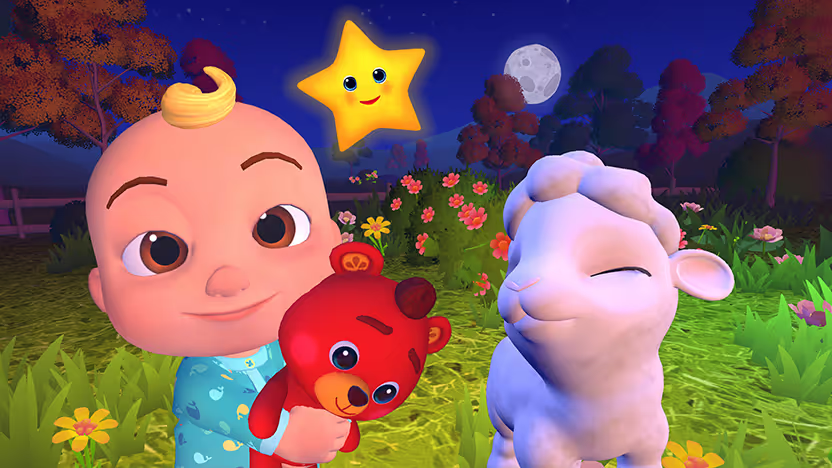
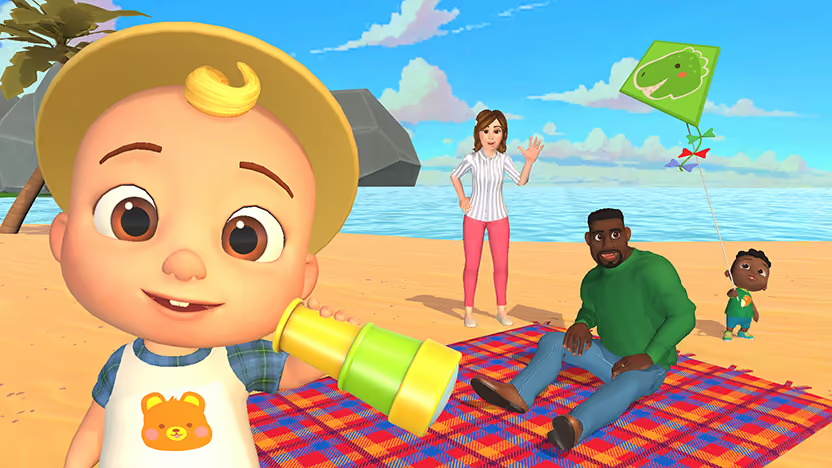
- On family evenings, CoComelon: Sing & Play with JJ keeps kids singing and moving with JJ so grown‑ups can actually stay part of the game instead of just running tech.
- When someone says “let’s sing,” Karaoke (on Roku) turns your TV into a lyric wall and gives the whole room a simple way to pass the mic.
- On loud party nights, Sketchy AF draws a doodle stroke by stroke and gets the room shouting wild guesses for big points before the drawing is even obvious.
- On travel‑itch nights, Spot On spins a globe, drops a clue, and stamps every pin from “spot on” to “wrong continent” so geography becomes half game, half running joke.
- For one last brainy round, 20 Questions (on Roku) tosses a mystery at the group and lets an automated host decide whose guess lands closest.
Weekend keeps everything in one app, with voice controls and a free 7-day trial on Roku, Fire TV, Samsung, and LG. Launch your next game night get-together with the Weekend Games app.
FAQs
What does Weekend give me that another “game like Elder Scrolls” doesn’t?
Weekend gives you more than another game like Elder Scrolls. It gives you shared TV games for fantasy, trivia, music, drawing, travel, karaoke, and family play. Weekend built Wit’s End specifically for group fantasy nights with a live game master.
How does Wit’s End feel different from playing Elder Scrolls by myself?
Wit’s End feels different from playing Elder Scrolls by yourself because the group drives the story out loud. You choose what your hero does, the live game master responds, and then shapes each scene around your party’s decisions.
Can Weekend handle a full fantasy night and lighter games in one sitting?
Yes, Weekend can handle a full fantasy night and lighter games in one sitting. Start with Wit’s End, then switch to Jeopardy!, Song Quiz, Wheel of Fortune, Sketchy AF, Spot On, or CoComelon in the same app.
Is Weekend still useful if I mostly play single-player RPGs like Elder Scrolls?
Yes, Weekend still works if you mostly play single-player RPGs like Elder Scrolls. Keep those solo runs for quiet nights. We give you Wit’s End and other TV games for nights when you want friends or family playing with you.
How do I actually get Weekend onto my TV and keep it handy?
To get Weekend onto your TV, open your device’s app store, search “Weekend,” and install it. I recommend moving Weekend to your front row so Wit’s End and the rest of your TV games stay one tap away.







%20(1).png)
%20(1).png)
%20(1).png)

Free for 7 days. Cancel anytime.


